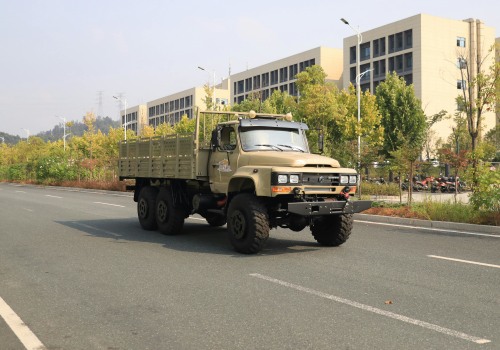
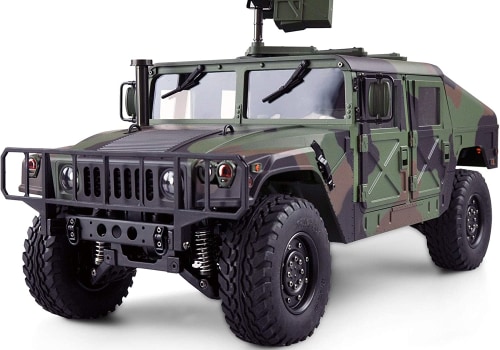
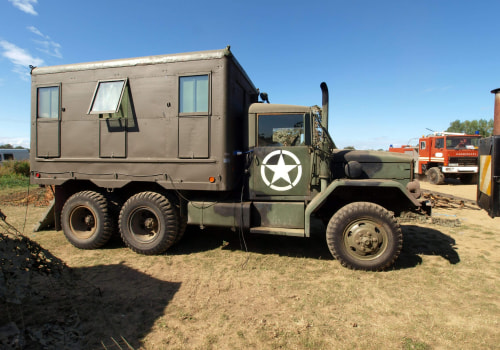
Heavy-duty military vehicles are designed to operate under challenging conditions, including rough terrain, extreme temperatures, and demanding transportation environments. Unlike conventional passenger vehicles, military trucks, armored transport vehicles, and specialized support equipment often carry substantial loads and operate for extended periods. These demanding conditions place considerable stress on engines, transmissions, suspension systems, and other mechanical components. Regular maintenance is essential for preserving vehicle reliability, improving operational efficiency, and reducing the likelihood of unexpected mechanical failures. Establishing a comprehensive maintenance routine allows operators to identify developing problems early, extend equipment lifespan, and maintain the dependable performance required for military transportation and logistical activities.
Maintaining Engine Performance and Mechanical Reliability
Engines in heavy-duty military vehicles frequently operate under demanding conditions that increase mechanical wear. Routine oil changes, fluid inspections, and filter replacements help protect internal components from excessive friction and contamination. Maintaining appropriate coolant levels is equally important because overheating can cause significant engine damage and interrupt vehicle operations. Transmission systems, differentials, and drivetrain components also require periodic inspections to ensure proper lubrication and efficient power distribution. Service facilities such as Complete Auto Maintenance Centers in Michigan highlight the broader importance of professional automotive maintenance, although military vehicles may require specialized technicians, approved procedures, and equipment. Following manufacturer recommendations helps ensure that critical mechanical systems remain dependable throughout demanding operational conditions.
Inspecting Braking, Suspension, and Tire Systems
Heavy-duty military vehicles depend on durable braking and suspension systems to maintain stability and control while transporting substantial loads. Regular brake inspections help identify worn components, fluid leaks, and other conditions that could compromise stopping performance. Suspension systems also experience considerable stress when vehicles travel across uneven terrain or carry heavy equipment. Inspecting springs, shock absorbers, steering components, and mounting points helps prevent excessive wear and handling difficulties. Tire maintenance is equally important because incorrect inflation pressure, damaged sidewalls, and uneven tread wear can affect traction and stability. Appropriate inspections and timely component replacements help support safer vehicle operation across different environments.
Preventing Costly Repairs and Operational Delays
Unexpected mechanical failures can create significant logistical challenges, particularly when vehicles are needed for transportation, supply delivery, or emergency support activities. Preventive maintenance reduces the likelihood of these disruptions by addressing minor problems before they develop into serious mechanical issues. Routine diagnostic checks, scheduled servicing, and accurate maintenance records help technicians monitor equipment condition and recognize recurring problems. Replacing deteriorating components before complete failure can also reduce repair expenses and prevent damage to surrounding systems. A structured maintenance program supports more predictable vehicle availability, allowing organizations to manage resources efficiently while minimizing unnecessary downtime and costly emergency repairs.
Supporting Long-Term Durability and Safety
Consistent maintenance contributes significantly to the longevity and safety of heavy-duty military vehicles. Regular inspections help ensure that essential components remain functional despite prolonged exposure to challenging operating conditions. Proper cleaning, corrosion prevention, and protective treatments also help preserve vehicle structures and mechanical assemblies. Maintenance personnel should follow established safety procedures and manufacturer specifications when servicing specialized equipment. Keeping detailed service records provides valuable information for future inspections, repairs, and replacement planning. Ultimately, preventive maintenance protects substantial equipment investments while supporting reliable transportation capabilities. By prioritizing scheduled servicing and early problem detection, operators can extend vehicle service life, reduce avoidable breakdowns, and maintain dependable performance during demanding assignments.