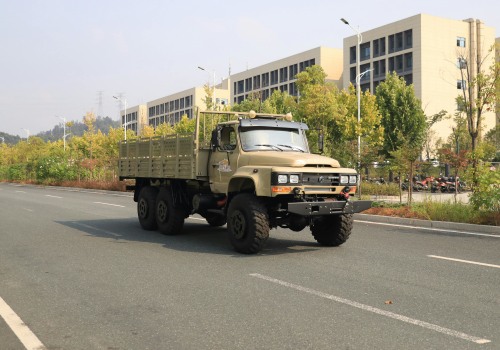
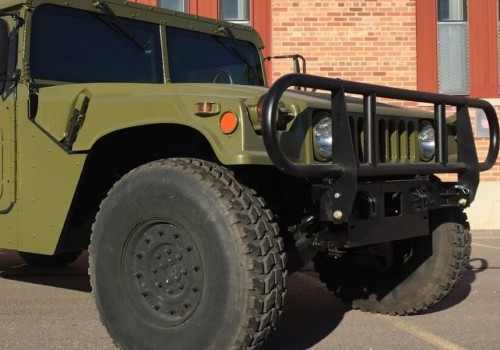
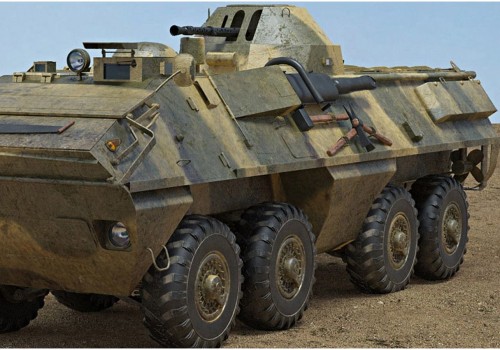
Heavy-duty military vehicles are designed to operate in demanding environments, often traveling across rugged terrain, isolated roads, and locations with limited access to repair facilities. These vehicles support various transportation and logistical activities, making their reliability essential for maintaining operational efficiency. However, even well-maintained military trucks and specialized transport vehicles can experience mechanical failures, tire damage, or unexpected breakdowns. When these problems occur in remote areas, accessing professional assistance becomes particularly challenging. Reliable roadside services provide valuable support by helping operators address vehicle emergencies, reduce transportation disruptions, and maintain safety. Understanding the importance of specialized roadside assistance can help organizations prepare for unexpected mechanical difficulties in isolated locations.
Addressing Mechanical Breakdowns in Remote Environments
Operating heavy-duty military vehicles in remote locations presents unique maintenance challenges. Rough terrain, extreme temperatures, heavy payloads, and prolonged driving periods can place considerable stress on engines, transmissions, suspension systems, and tires. These conditions may contribute to mechanical deterioration and increase the likelihood of unexpected equipment failures.
When a vehicle becomes disabled far from established maintenance facilities, immediate repairs may not always be possible. Roadside assistance professionals can evaluate the situation, identify common mechanical problems, and recommend appropriate recovery solutions.
Access to dependable support helps operators avoid prolonged delays while ensuring that damaged vehicles receive necessary attention before returning to service.
Supporting Vehicle Recovery and Emergency Towing
Heavy-duty military vehicles often require specialized equipment for safe recovery and transportation. Their substantial weight, reinforced construction, and unique mechanical configurations make conventional towing methods unsuitable in many situations.
Professional roadside assistance providers understand the importance of selecting appropriate recovery equipment and following established safety procedures. Services associated with companies such as Road Angel Towing and Roadside Service illustrate the value of having reliable assistance available during unexpected vehicle emergencies, although military-grade recovery requirements may demand specially qualified operators and equipment.
Proper recovery planning minimizes the possibility of additional vehicle damage and helps protect personnel involved in transportation activities.
Enhancing Driver Safety in Isolated Areas
Vehicle breakdowns in remote environments can expose drivers and passengers to significant safety concerns. Limited communication coverage, unpredictable weather, unfamiliar terrain, and lengthy distances between service facilities can complicate emergency situations.
Roadside assistance planning helps organizations establish procedures for managing these challenges. Drivers should understand emergency communication protocols, maintain essential supplies, and know how to identify safe locations while awaiting assistance.
Professional recovery personnel can provide additional support when mechanical problems create hazards that cannot be resolved through basic troubleshooting.
Reducing Operational Delays and Maintenance Costs
Unexpected vehicle failures can interrupt transportation schedules and create additional expenses. Delayed deliveries, equipment recovery, and emergency repairs may affect logistical efficiency.
Reliable roadside support can reduce these disruptions by facilitating timely assessments and appropriate vehicle transportation. Addressing mechanical concerns promptly also helps prevent minor problems from developing into more extensive damage.
Organizations that combine preventive maintenance with dependable emergency recovery arrangements are better positioned to manage unpredictable operating conditions.
Strengthening Preparedness Through Preventive Maintenance
Although roadside assistance is valuable during emergencies, preventive maintenance remains essential for heavy-duty vehicle reliability. Regular inspections of tires, braking systems, cooling components, and fluid levels help identify potential problems before departure.
Operators should also maintain emergency equipment and establish recovery procedures suited to their operating environments.
Ultimately, dependable roadside support strengthens transportation preparedness, improves personnel safety, and supports the continued operation of heavy-duty military vehicles in challenging remote locations.